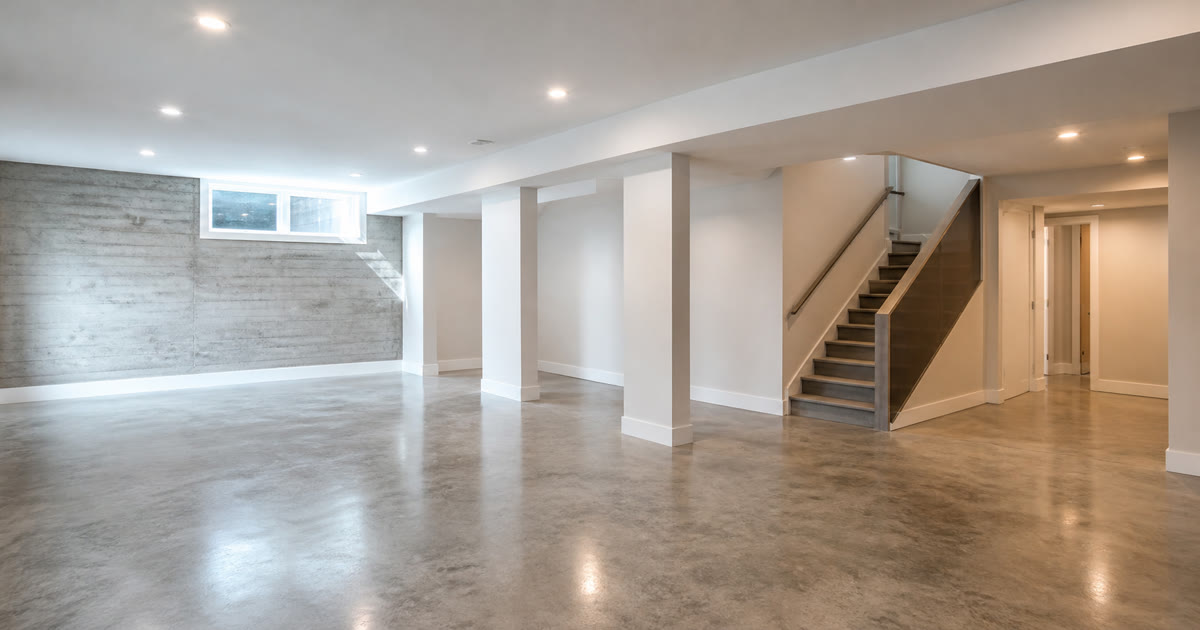
DIY Radon Mitigation: Why Calgary Homeowners Should Think Twice
You tested your Calgary home for radon. The number came back above Health Canada's 200 Bq/m³ guideline. You are handy — you have framed walls, replaced faucets, maybe even run your own electrical. The mitigation quotes land in your inbox and a thought crosses your mind: "Could I just do this myself? It is a fan and a pipe. How hard can it be?"
The short answer: much harder than it looks, and the consequences of getting it wrong are invisible. This article explains what professional radon mitigation actually involves, why DIY attempts regularly fail, and what Calgary and Alberta homeowners risk when they treat radon as a weekend project.
What Radon Mitigation Actually Is
At first glance, sub-slab depressurization looks simple: drill a hole in the basement floor, connect a pipe, mount a fan, and vent it outside. That description is not wrong — but it skips the science that makes the system work.
A functional mitigation system creates a pressure field beneath the entire foundation slab. The fan must overcome the resistance of the gravel, soil, and any clay layers below, pulling consistently enough that radon-bearing soil gas is captured before it seeps through cracks, joints, and gaps. In Calgary, where soil conditions vary dramatically — from the sandy deposits near the Bow River to the dense clay in neighbourhoods like Brentwood and Haysboro — the fan must be sized specifically to the home.
Get the fan sizing wrong, and the system runs but does not actually lower radon. The homeowner sees a humming fan, hears the manometer promise it is working, and assumes the problem is solved. It is not.
The Dangers of a Botched DIY Mitigation
Professional radon mitigation is not just about radon. It is also about not creating new hazards while solving the old one. Here is what can go wrong when an untrained person installs a system.
Combustion Backdrafting: Carbon Monoxide Enters the Home
This is the most serious risk. A powerful radon fan pulling suction beneath the slab can depressurize the basement enough that it reverses the draft on a natural-draft furnace, water heater, or fireplace. Instead of combustion gases going up the chimney, they are pulled into the living space.
Carbon monoxide is colourless and odourless — just like radon — but it kills in hours, not years. Every year in Calgary, homes experience CO incidents during heating season, and a poorly designed depressurization system multiplies that risk. A C-NRPP certified professional in Alberta is trained to measure pressure differentials, assess combustion appliance venting, and ensure the mitigation system does not create a CO hazard.
Radon Recirculation: Exhaust Comes Back Inside
Health Canada and the Canadian building code require that radon exhaust discharge above the roofline, well away from windows, doors, and air intakes. A DIY installer who shortcuts this — terminating the pipe at ground level, under a deck, or near a basement window — creates a recirculation loop. The radon that was just pulled from below the slab is vented and then pulled straight back into the home.
In Calgary's winter, snow accumulation can bury a low discharge point entirely, forcing exhaust back toward the foundation. A proper discharge point is high on the roof, meeting both code and physics.
Undersized or Oversized Fans
A fan that is too weak cannot create the pressure field needed to capture radon across the entire slab footprint. A fan that is too strong can pull conditioned air from the living space through unseen cracks, raising heating bills and potentially backdrafting appliances. Matching the fan to the home requires diagnostic pressure testing that a DIY approach cannot provide.
Missing Entry Point Sealing
A mitigation system is not just a suction pipe. Major radon entry points — foundation cracks, the gap around the sump pit, floor drains, plumbing penetrations — should be sealed to make the system as efficient as possible. An untrained eye may miss half of these, leaving the fan to work harder for worse results.
No Verification Testing
The only way to know a mitigation system works is to test after installation. A professional includes a post-mitigation verification test and provides documented proof that levels are below 200 Bq/m³. A DIY system is rarely verified with a proper long-term test, leaving the Calgary homeowner with a false sense of security.
Why Calgary Homes Are Especially Tricky
Calgary's housing stock presents specific challenges that make DIY mitigation riskier here than in many other cities.
Older neighbourhoods, complex foundations. Homes in communities like Acadia, Killarney, Banff Trail, and Falconridge are often 50 to 70 years old. Foundations may have been extended, repaired, or renovated multiple times. A single suction point may not cover the entire slab if an addition sits on a separate foundation. Mixed foundations — part basement, part crawlspace — are common in Calgary and require multi-point systems.
Calgary's extreme weather. The city's famous chinook winds bring rapid temperature swings that cause soil to expand and contract around the foundation. A system designed without accounting for Calgary's climate may see its seals crack and its performance degrade. Winter temperatures reaching –30°C stress fans and can freeze improperly routed discharge points. Snow and ice accumulation demands careful discharge placement — a detail DIY installers often overlook.
High-radon geology. Southern Alberta sits on glacial till with uranium-rich content, and Health Canada data consistently shows that a significant portion of Calgary homes test above the 200 Bq/m³ guideline. [ПРОВЕРИТЬ: точный процент домов Калгари выше нормы по Health Canada Cross-Canada Survey]. When the underlying geology is this active, an underperforming mitigation system provides essentially no protection.
The C-NRPP Difference: What Certification Actually Means
C-NRPP — the Canadian National Radon Proficiency Program — is the credential that matters. A C-NRPP certified radon professional has completed training, passed an exam, and maintains certification through continuing education. Certification covers:
- Building science and soil gas dynamics
- Pressure field measurement and fan sizing
- Combustion appliance backdrafting assessment
- System design and discharge placement per Canadian code
- Diagnostic testing and verification protocols
When you hire a C-NRPP certified professional in Calgary, you are hiring someone who understands the physics and the code — not someone who watched a YouTube video and bought a fan.
The False Economy of DIY
The most common reason Calgary homeowners consider DIY mitigation is cost. A professional system in the Calgary area typically costs a few thousand dollars. Online, you can find a radon fan for a few hundred dollars, some PVC pipe, and a video tutorial. The savings appear obvious on paper.
But here is the math that matters:
A professionally installed, C-NRPP certified system with a verified post-test reduces radon by 80 to 99 percent and typically brings a home well below the 200 Bq/m³ guideline. It is proven. It comes with documentation. It protects your health.
A DIY system that looks right but is not — wrong fan, missed entry points, recirculating discharge, no verification — may reduce levels by some unknown amount, or not at all. The homeowner sleeps soundly while breathing elevated radon. Years pass.
Radon is the second leading cause of lung cancer in Canada, responsible for approximately 3,200 deaths each year. For non-smokers, it is the leading cause. Living with a failed mitigation system is no different from living with no system at all — except the false confidence makes it worse, because you stop testing.
The real cost of DIY mitigation is not the money you save. It is the years of undetected exposure.
What a Handy Homeowner Can Safely Do
None of this means you cannot touch anything related to radon. There are tasks a skilled Calgary homeowner can handle safely:
- Sealing visible foundation cracks with an appropriate concrete sealant. This helps reduce radon entry and improves the efficiency of any future system.
- Installing or replacing a sealed sump pit cover. Airtight covers prevent radon from entering through the sump, and this is a straightforward job.
- Monitoring and maintaining an existing professionally installed system. Checking the manometer weekly, keeping the discharge clear after snowstorms, and scheduling periodic re-testing — all detailed in our maintenance guide.
These are helpful, low-risk tasks. But designing and installing the actual depressurization system should stay in the hands of a C-NRPP certified professional.
The Bottom Line for Calgary Homeowners
Radon mitigation is not a plumbing job, a handyman task, or a YouTube tutorial. It is a building-science intervention that interacts with your foundation, your home's air pressure, your combustion appliances, and the unique geology beneath your Calgary neighbourhood. Done wrong, it wastes money at best and creates new hazards at worst.
Done right — by a C-NRPP certified professional who sizes the fan, measures the pressure field, seals the entry points, places the discharge safely, and verifies the result — it delivers decades of rock-solid protection against the second leading cause of lung cancer in Canada.
Onyx Radon provides C-NRPP certified mitigation across Calgary and Alberta. Every installation includes diagnostic testing, proper fan sizing, code-compliant discharge, and a post-mitigation verification test so you know your home is genuinely below the 200 Bq/m³ guideline. That is protection you can trust — and it is not a weekend project.
Related radon guides
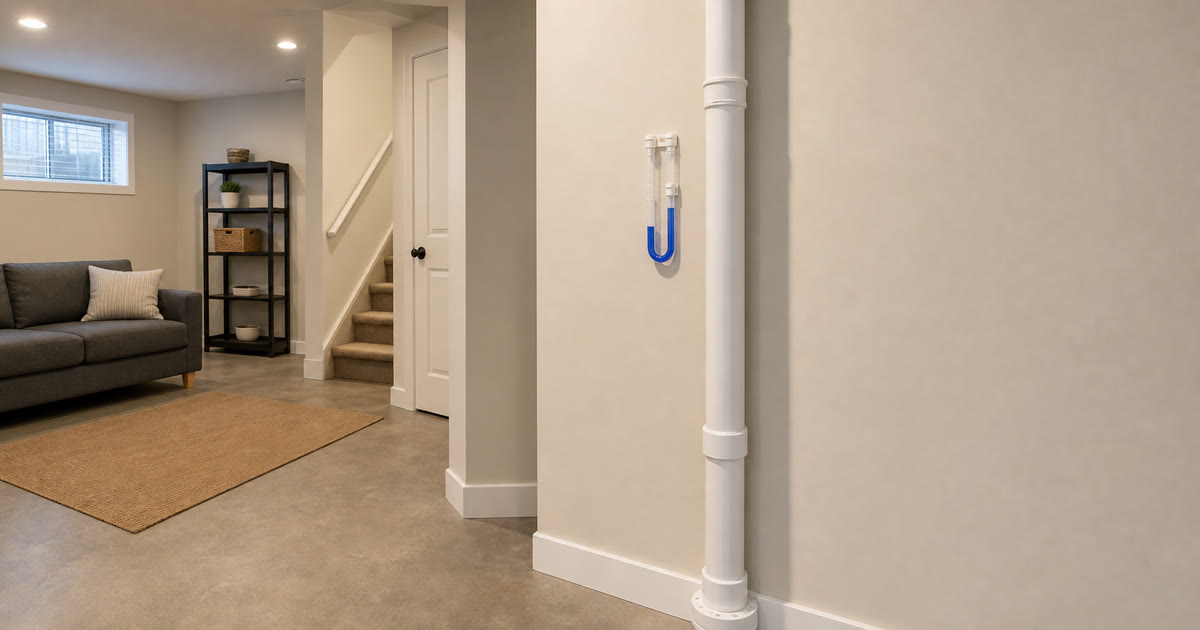
Radon Mitigation System Maintenance: What Calgary Homeowners Need to Know
Your radon mitigation system runs 24/7 to keep your Calgary home safe. Learn how to monitor it, when to replace the fan, and how often to re-test.
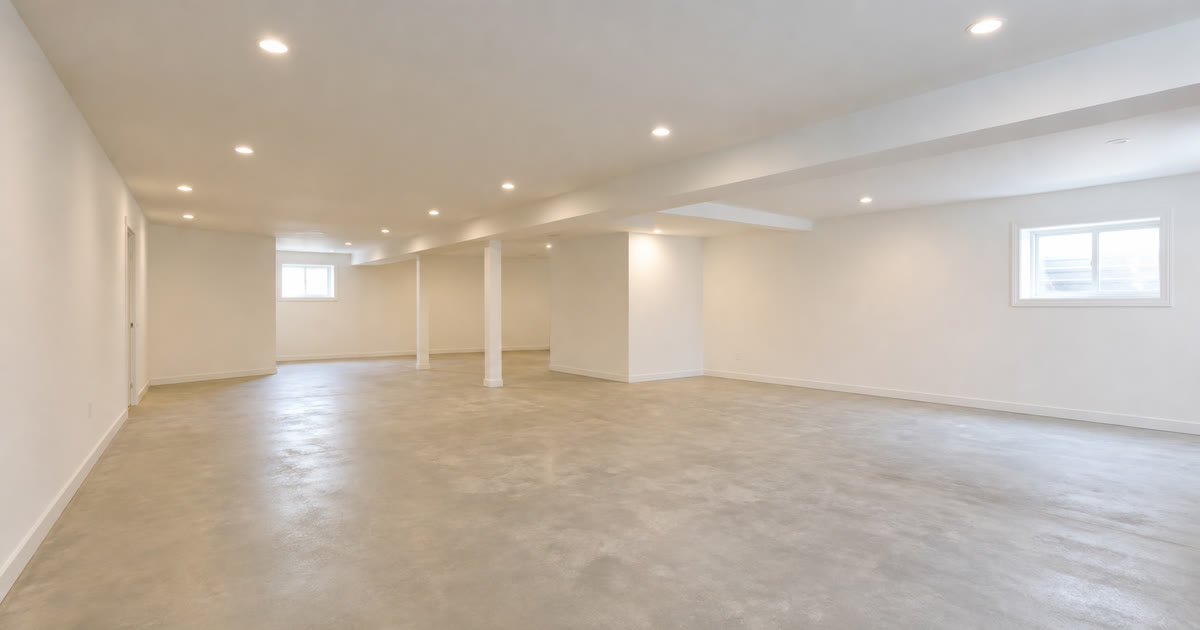
Radon Mitigation for Basements and Dirt Crawlspaces in Calgary
How radon mitigation works for finished basements and dirt-floor crawlspaces in Calgary homes, including sub-membrane depressurization.
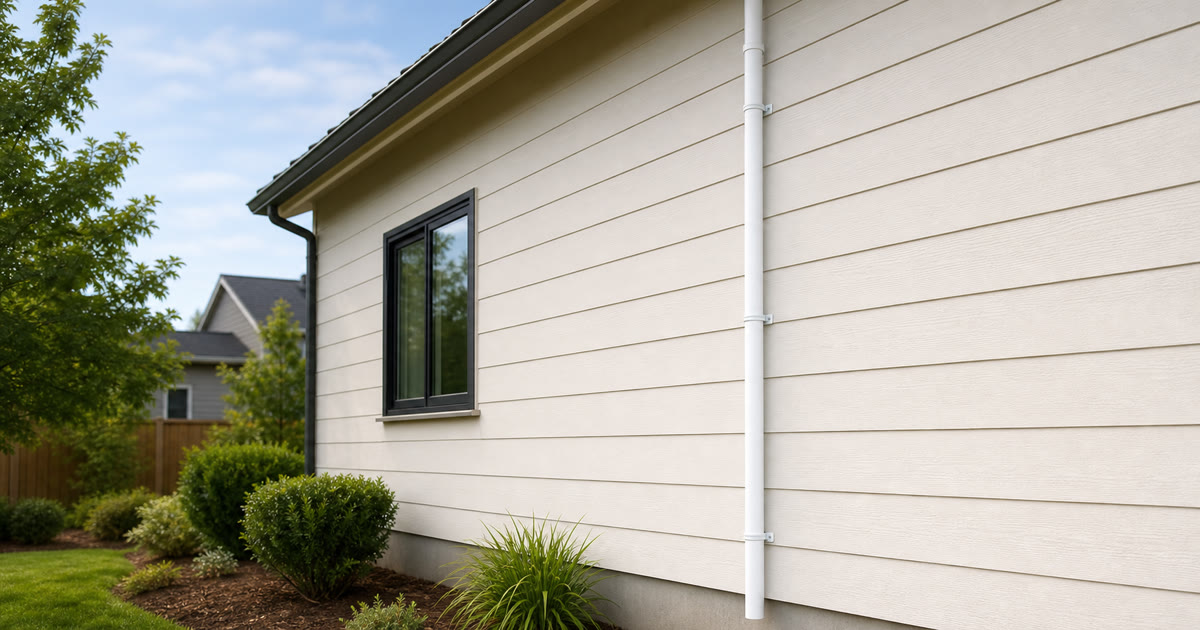
How Does a Radon Mitigation System Work? Sub-Slab Depressurization Explained
A plain-language explanation of how sub-slab depressurization removes radon from Calgary homes and why it is the gold-standard method.