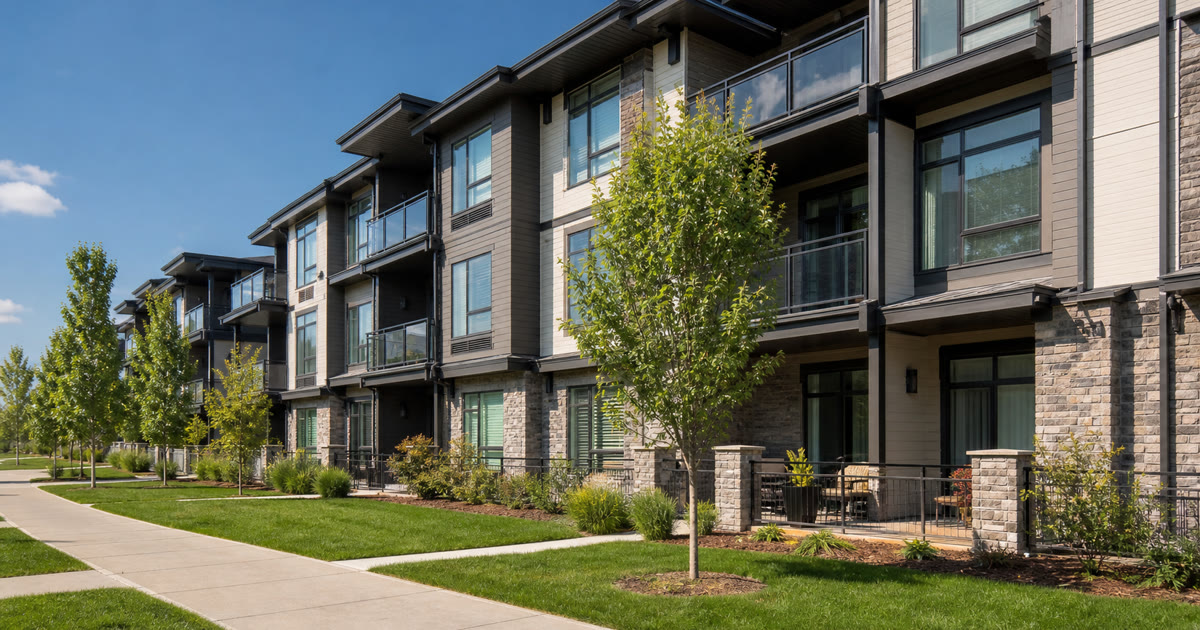
Radon in Calgary Condos and Apartments: What Every Multi-Unit Resident Should Know
If you live in a Calgary condo or apartment, you might assume radon isn't your problem. You don't have a basement with a dirt floor. You're up on the third, fifth, or tenth floor. The building has a parkade underneath. Surely radon is a single-family-home concern?
The short answer: it depends on your floor. If you live on the ground floor or in a below-grade unit, your radon exposure could be just as significant as a detached home — and if you're renting, your landlord may not have tested.
Why Condos and Apartments Aren't Automatically Safe
Radon enters a building through contact with the ground. In a single-family home, that means the foundation and basement slab. In a multi-unit building, the footprint is larger, but the physics is the same: uranium in the soil beneath Calgary decays into radon gas, and that gas moves upward through cracks, gaps, and openings in the concrete.
According to the 2024 Cross-Canada Radon Survey, approximately 17.8% of Canadian residential properties have radon levels at or above Health Canada's guideline of 200 Bq/m³. In Calgary, roughly 15.5% of homes exceed this threshold, with an average reading of 102.5 Bq/m³ across the city. While the survey data for multi-family housing is more limited than for detached homes, the available evidence makes one thing clear: ground-contact units in any building type can have elevated radon.
The idea that a parkade between your unit and the soil solves the problem is only partly true. An underground parkade may buffer radon if it is well-ventilated. A poorly ventilated parkade can actually act as a radon collection chamber, with gas migrating upward into ground-floor units through stairwells, elevator shafts, and utility penetrations.
Where You Live in the Building Matters
Ground-Floor Units: The Highest Risk
A ground-floor condo in Mission, Beltline, or Kensington sits directly on — or just above — the same uranium-bearing soils that drive Alberta's elevated radon risk. If the unit has a concrete slab floor with utility penetrations, expansion joints, or cracks, radon has a path in.
The 2024 Cross-Canada Survey found that below-grade rooms average 23.5% higher radon than main-floor rooms. Ground-floor units are, by definition, the closest occupied space to the soil in most low-rise and mid-rise buildings. In a Calgary four-storey condo walk-up in Brentwood or Haysboro, the ground-floor resident is far more exposed than the person on the top floor.
Basement Suites and Garden-Level Units
If your apartment is partially or fully below grade — common in older Calgary buildings, converted houses in Hillhurst or Sunalta, and garden-level suites in newer builds — you are in the highest-risk category. Below-grade spaces are closest to the soil source, and they typically have less natural ventilation than above-grade units.
Upper Floors: Lower Risk, but Not Zero
Units on the second storey and above generally have significantly lower radon concentrations. Radon dissipates as it moves upward through a building, and the stack effect that pulls soil gas into a structure tends to dilute radon before it reaches higher floors. However, radon can travel surprisingly far through elevator shafts, pipe chases, and stairwells in tall buildings. If you live on the second or third floor of a building with a high-radon ground floor, a test is still a reasonable precaution — especially in Calgary, where our tightly sealed energy-efficient buildings can trap radon that enters lower down.
What the Calgary Numbers Look Like
Census data tells us that Calgary's housing mix is roughly 55.8% single-family homes, 22.6% condominiums and apartments, 10.6% townhouses, and the rest duplexes and other types. That means well over 70,000 Calgary households live in condo or apartment units. With 15.5% of Calgary residential buildings testing at or above 200 Bq/m³, thousands of condo and apartment residents may be living with elevated radon and have no idea.
This is not a hypothetical risk confined to one or two neighbourhoods. Radon does not follow property lines, age of construction, or price per square foot. A brand-new luxury condo in East Village can test high. A 1970s walk-up in Acadia can test low. The only way to know is to test.
Testing in a Condo or Apartment: How It Works
Short-Term vs Long-Term Testing
The same test kit options available to single-family homeowners apply to multi-unit residents. A long-term test — 90 days or longer — provides the most reliable average and is what Health Canada recommends. Short-term tests (48 hours to one week) can be useful as a screening tool, especially in a real estate timeline, but a long-term result is the gold standard.
Where to Place the Detector
Health Canada recommends placing the detector in the lowest lived-in level of the unit — typically the living room or main bedroom if you are on the ground floor, or the bedroom if you are in a basement suite. The detector should be at breathing height, away from drafts, windows, and exterior walls. For multi-unit buildings with 10 or more detectors deployed, Health Canada recommends duplicate detectors (two side-by-side) for every 10 devices as a quality control measure.
Who Pays for the Test?
For condo owners, testing is usually a personal expense — roughly $40 to $60 for a long-term DIY kit, or a few hundred dollars for a C-NRPP certified professional to conduct the test. Renters in Calgary and across Alberta generally do not have a legislated right to demand radon testing from their landlord, though nothing prevents a tenant from testing their own unit at their own expense. The BC Lung Foundation and other advocacy groups have called for stronger renter protections around radon, but as of 2026, Alberta has not made radon disclosure or testing mandatory for rental properties.
Mitigation in Multi-Unit Buildings: Unique Challenges
If your condo or apartment tests above 200 Bq/m³, mitigation is possible — but it is more complex than in a single-family home.
For Condo Owners
As a condo owner, you likely own the interior of your unit, while the building envelope and foundation are common property managed by the condo board. Installing a sub-slab depressurization system — the gold standard for radon mitigation — may require board approval, especially if it involves coring through the slab or running a vent pipe up the building exterior. This is where having C-NRPP certified professionals involved early is essential: they can assess the unit and produce a technical proposal that the board can evaluate.
Some Calgary condo boards have proactively tested common areas and ground-floor units. Others have never discussed radon. If you are an owner in a building where radon has never been raised, the first step is to test your own unit and, if the result is high, bring it to the board's attention with a professional mitigation proposal in hand.
For Strata Boards and Property Managers
If you manage or sit on the board of a Calgary condo building, radon deserves a place on your risk register. A single high test in a ground-floor unit should prompt building-wide testing — not because every unit is at equal risk, but because radon entry at the foundation level affects all ground-contact spaces in the building. Proactive testing protects residents, reduces liability, and costs far less than retroactive mitigation after a problem is discovered during a sale or a tenant complaint.
For Renters
If you rent in Calgary and your test shows elevated radon, present the result to your landlord in writing. While Alberta does not require landlords to mitigate radon, many will respond to a documented health concern from a tenant — particularly if you offer to share the cost or work with them on a mitigation plan. In buildings where the landlord manages multiple units, a group of tenants testing together can make a stronger case.
Calgary Neighbourhoods Where Condo Radon Matters Most
Radon risk does not stop at neighbourhood boundaries, but areas with high concentrations of older low-rise condo buildings and converted rental apartments are worth particular attention. Calgary neighbourhoods like Beltline, Mission, Sunalta, Hillhurst, Bridgeland, Brentwood, Haysboro, Acadia, and Bankview all have significant multi-unit housing stock, much of it built before radon awareness was part of the building code. Newer condo developments in communities like University District, Seton, and West Springs may include radon rough-ins per current Alberta Building Code requirements, but a rough-in is not a guarantee — testing is still needed.
The Bottom Line
Living in a Calgary condo or apartment does not make you immune to radon. Ground-floor and below-grade units face risks comparable to single-family homes, and upper-floor units are not automatically exempt. With over 70,000 condo and apartment households in Calgary and roughly 1 in 6 homes in the city testing above the Health Canada guideline, radon testing in multi-unit buildings is not a niche concern — it is an overdue conversation.
If your Calgary condo or apartment has never been tested, start with your own unit. A long-term test is affordable, and the result gives you either peace of mind or a clear path to mitigation. At Onyx Radon, our C-NRPP certified team provides testing and mitigation design for all residential building types in Calgary — including multi-unit properties. Know your number, and make sure the air you breathe at home is clean.
Related radon guides
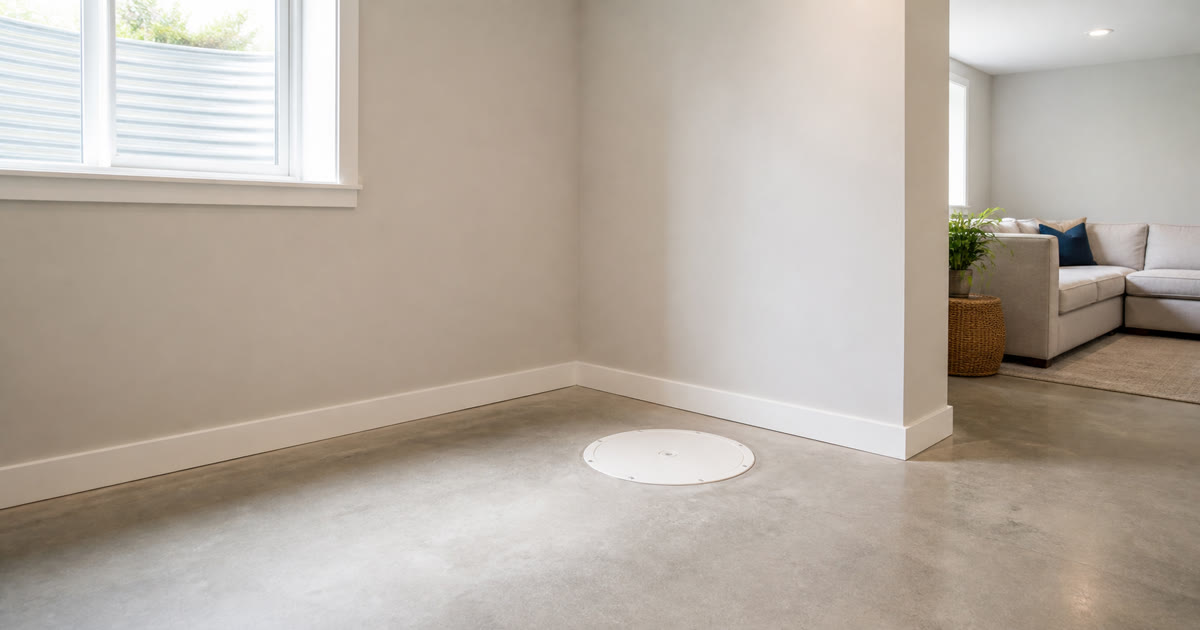
Sump Pump Pits: Calgary's Hidden Radon Entry Point
Your sump pump pit could be a direct pathway for radon to enter your Calgary home. Learn how to identify the risk, seal it properly, and protect your family from this invisible gas.
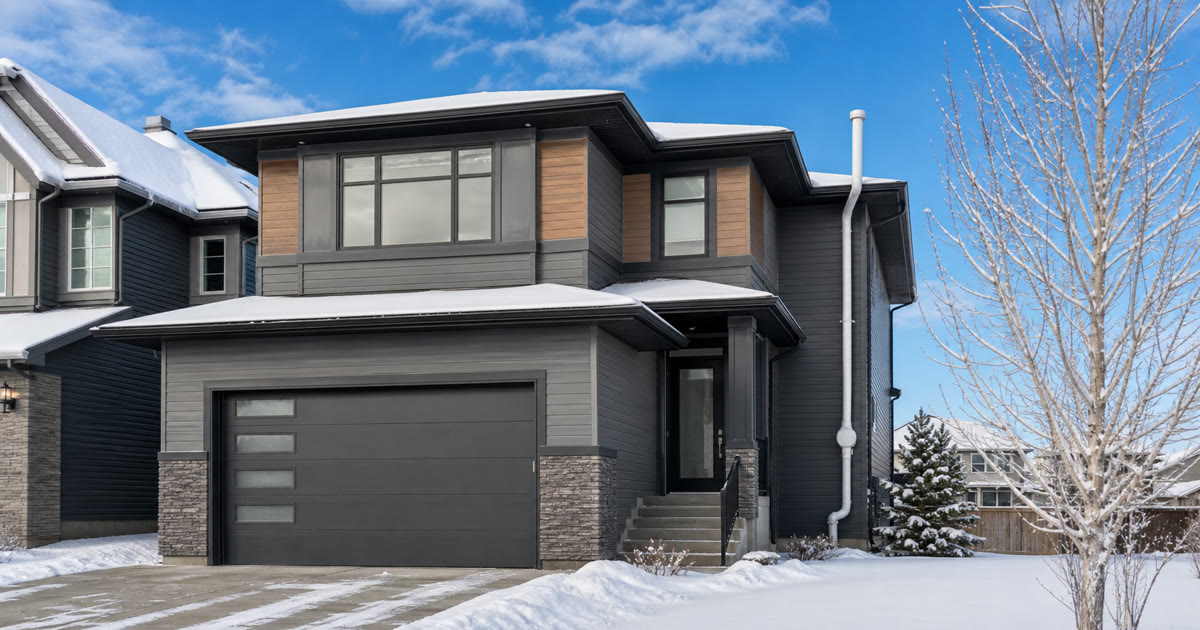
Radon in Energy-Efficient Calgary Homes: The Airtight Paradox
Energy-efficient airtight homes in Calgary can trap more radon, not less. Learn why sealing your home against cold may increase radon levels and what to do about it.

When Did Radon Become a Concern in Alberta? A Timeline of Awareness and Action
How radon went from an obscure geological curiosity to a public health priority in Alberta. The key events, studies, and policy shifts that shaped radon awareness in Calgary and across the province.