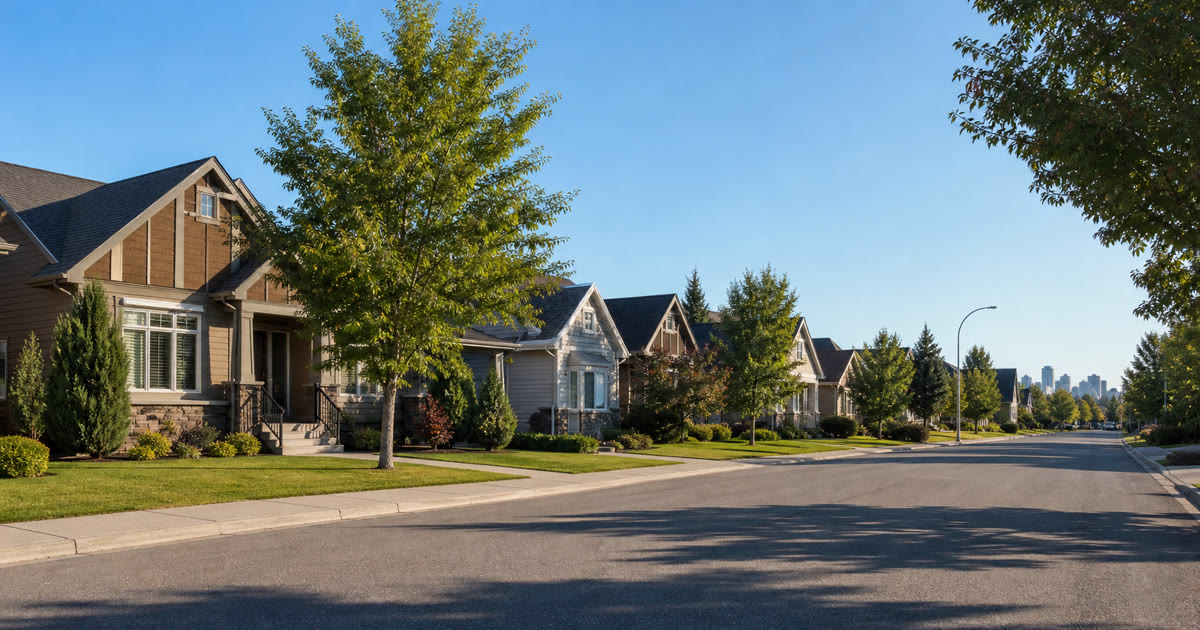
Radon and Home Insurance in Calgary: What's Covered and What Homeowners Should Know
You have house insurance. You pay your premiums. When something goes wrong — a burst pipe, a hailstorm, a kitchen fire — you expect the policy to step in. So when you learn that your Calgary home has elevated radon, a radioactive gas linked to lung cancer, a reasonable question follows: does my home insurance cover this?
The short answer: probably not. But the full explanation matters, because understanding where insurance draws the line helps Calgary and Alberta homeowners make smarter decisions about radon testing and mitigation — before a problem becomes a crisis.
Why Standard Home Insurance Does Not Cover Radon
Home insurance in Canada is built around one core principle: it covers sudden and accidental damage. A tree falls on your roof during a Calgary windstorm. A washing machine hose bursts and floods the laundry room. A chimney fire spreads to the attic. These are sudden events — unpredictable in timing, acute in damage.
Radon is the opposite. It is slow, invisible, and chronic. The gas seeps into a Calgary home through foundation cracks, sump pits, and construction joints over months and years. There is no single "event" to trigger a claim. There is no property damage to repair. Radon is a health hazard — not a structural one — and home insurance policies are not designed to cover health risks.
This distinction holds across Alberta. Whether your home is in Haysboro, Brentwood, Falconridge, or Acadia, the policy language is consistent: gradual environmental conditions — radon, mould, soil settlement, corrosion — fall outside standard coverage. Home insurance protects the physical structure against sudden loss. Radon does not damage drywall, flooring, or framing. It damages lungs.
What About Radon Mitigation Costs?
A professionally installed radon mitigation system in Calgary typically runs in the range of $2,000 to $3,500, depending on the home's foundation type and layout [ПРОВЕРИТЬ: актуальный диапазон цен на mitigation в Калгари, 2026]. This is a meaningful expense — and a natural moment where a Calgary homeowner might hope insurance would help.
Unfortunately, standard home insurance policies do not cover the cost of radon mitigation. Mitigation is considered a home improvement — an upgrade you choose to make, not a repair forced by a covered peril. Think of it like upgrading old aluminium wiring or replacing a furnace before it fails: good practice, but not an insurance matter.
This is true across Canada. No major insurer in Alberta currently offers a rider or endorsement that covers radon mitigation system installation as a standard part of a home policy [ПРОВЕРИТЬ: уточнить у страховых брокеров — появились ли rider-ы на радон в 2025-2026].
Does Radon Affect Life Insurance or Health Insurance?
This is where the insurance conversation shifts from property to people. Radon does not damage a house — it damages health. So the relevant question is not "will my home insurance pay for mitigation?" but "does radon exposure affect my life or health insurance?"
Life insurance underwriting in Canada typically does not ask about radon exposure specifically. There is no standard "radon question" on a life insurance application. However, radon is the second leading cause of lung cancer in Canada, responsible for approximately 3,200 deaths per year according to Health Canada data. Lung cancer — regardless of the cause — does affect life insurance premiums and eligibility.
For Calgary homeowners, the practical takeaway is straightforward: testing for radon and mitigating high levels is not about insurance compliance. It is about reducing a known cancer risk that no insurance policy can reverse. You cannot insure your way out of lung cancer.
The Disclosure Question: Selling a Calgary Home With Known Radon
A more nuanced insurance-adjacent issue arises when selling a home in Calgary. If you have tested for radon, know the results, and are preparing to sell, do you have a duty to disclose? And could failing to disclose affect your liability — which might eventually touch your insurance?
In Alberta, real estate disclosure requirements vary. While there is no province-wide legal mandate to disclose radon test results during a home sale, the principle of "latent defect" applies. A latent defect is a problem that is not visible during a reasonable inspection but makes the property dangerous or unfit for habitation. Radon — if levels are significantly above the Health Canada guideline of 200 Bq/m³ — could be argued to qualify.
If a buyer later discovers elevated radon and can demonstrate that the seller knew and did not disclose, the legal exposure is real. Liability claims of this nature can sometimes engage a homeowner's liability coverage — but this is untested case law in Alberta for radon specifically [ПРОВЕРИТЬ: судебные прецеденты по нераскрытию радона при продаже в Канаде]. The safer path is transparency: test, document, and if mitigation was done, provide the paperwork. In Calgary neighbourhoods like Killarney, Banff Trail, and Inglewood where older homes change hands regularly, this is becoming standard practice among informed sellers.
The One Area Where Insurance Might Apply
There is a narrow scenario where home insurance could intersect with radon — not the gas itself, but the system designed to remove it.
If a covered peril damages your radon mitigation system, the repair may be covered. For example: a Calgary hailstorm damages the roof-mounted discharge point and the fan. Or a basement flood submerges the fan unit. Since the mitigation system is a permanently installed component of the home, damage from a covered event (storm, fire, water) may fall within the scope of a standard policy — just as it would for a furnace or water heater.
This is not the same as "insurance covers radon." It is simply the ordinary coverage of installed equipment against sudden damage. Calgary homeowners with mitigation systems should confirm with their broker that the system is included in the home's declared value for replacement cost purposes [ПРОВЕРИТЬ: типичная практика канадских страховщиков по оборудованию улучшений].
What Calgary Homeowners Should Do Instead of Waiting for Insurance
Since home insurance is not the answer to radon, what is? The path is clear and well-established across Alberta:
1. Test. A long-term alpha-track detector (90+ days) placed in the lowest lived-in level of your Calgary home gives an accurate annual average. Short-term tests exist but are less reliable for decision-making. In Calgary, where winter radon levels can spike due to the stack effect and frozen ground, the heating season — October through April — is the ideal testing window.
2. Interpret. Health Canada sets the action guideline at 200 Bq/m³. If your result is at or above this level, mitigation is recommended. If it is between 100 and 200 Bq/m³, Health Canada suggests considering mitigation — there is no "safe" threshold for radon, and the World Health Organization recommends a lower reference level of 100 Bq/m³.
3. Mitigate. A sub-slab depressurization system — the gold standard — is installed by a C-NRPP certified professional. It creates negative pressure beneath the foundation, collecting radon before it enters the home and venting it safely above the roofline. In Calgary homes, this is typically a one-day installation with minimal disruption.
4. Re-test and maintain. After mitigation, a follow-up test confirms the system is working. Ongoing maintenance — a weekly glance at the manometer — ensures it stays that way.
The Calgary and Alberta Context
Calgary sits on geology that produces elevated radon. The glacial deposits underlying much of the city — till, sand, and gravel left by retreating ice sheets — contain uranium-bearing minerals that decay into radon gas. Combine this geology with Calgary's climate (long heating seasons, significant stack effect) and housing stock (many homes with basements, including older bungalows in neighbourhoods like Forest Lawn, Marlborough, and Bowness), and the conditions for elevated indoor radon are firmly in place.
Health Canada's Cross-Canada Radon Survey identified Alberta as one of the higher-risk provinces, with [ПРОВЕРИТЬ: точный % домов Альберты выше 200 Bq/m³ по Cross-Canada Survey] of homes testing above the guideline. More recent testing efforts suggest that parts of Calgary may exceed the provincial average — particularly in established neighbourhoods with older foundations.
For Calgary homeowners, this is not a theoretical risk. It is a measurable, fixable problem in thousands of homes across the city. And it is a problem that no home insurance policy currently addresses.
The Bottom Line
Home insurance is a financial safety net for sudden, accidental damage to your property. Radon is a slow, chronic health risk, and it falls outside the scope of standard home insurance in Alberta. Calgary homeowners should not wait for an insurance solution that does not exist. The answer to radon is testing and, if levels are elevated, professional mitigation.
The cost of a mitigation system — roughly a few thousand dollars installed — is real. But measured against the risk of lung cancer from years of exposure at 400, 600, or 800 Bq/m³, it is one of the most cost-effective health investments a Calgary homeowner can make. No insurance policy can undo a radon-related cancer diagnosis. A mitigation system can prevent one.
Onyx Radon provides C-NRPP certified radon testing and mitigation across Calgary and the surrounding Alberta region. If you have tested your home or are ready to start, we offer professional, straightforward service — because radon is a solvable problem, even if it is not an insurable one.
Related radon guides
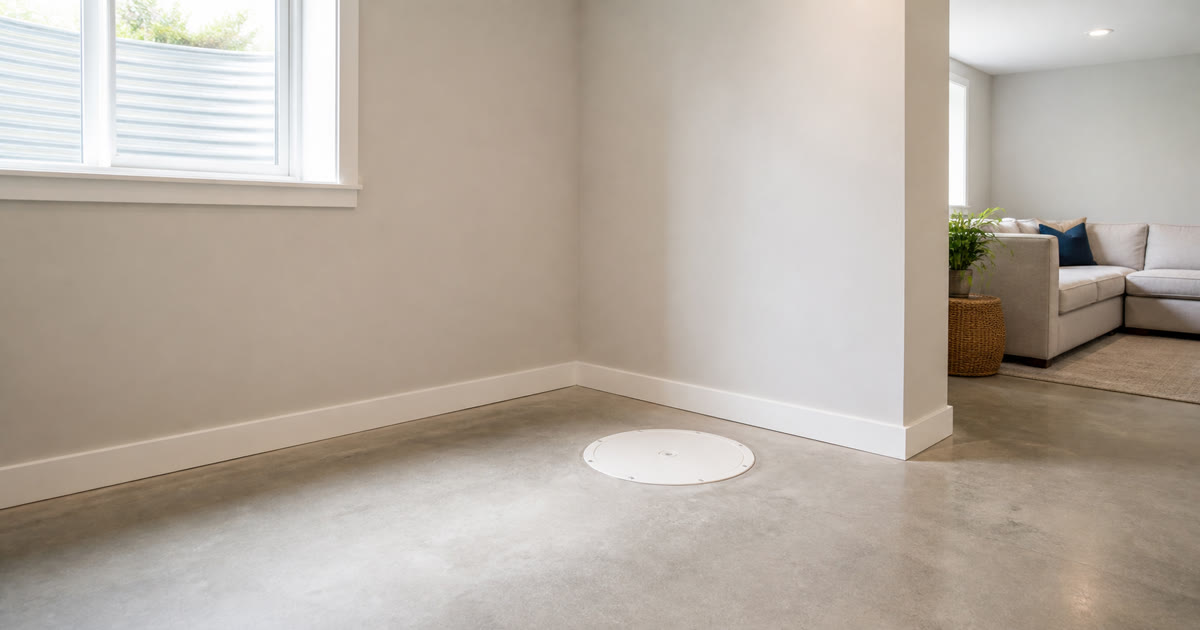
Sump Pump Pits: Calgary's Hidden Radon Entry Point
Your sump pump pit could be a direct pathway for radon to enter your Calgary home. Learn how to identify the risk, seal it properly, and protect your family from this invisible gas.
Radon in Energy-Efficient Calgary Homes: The Airtight Paradox
Energy-efficient airtight homes in Calgary can trap more radon, not less. Learn why sealing your home against cold may increase radon levels and what to do about it.
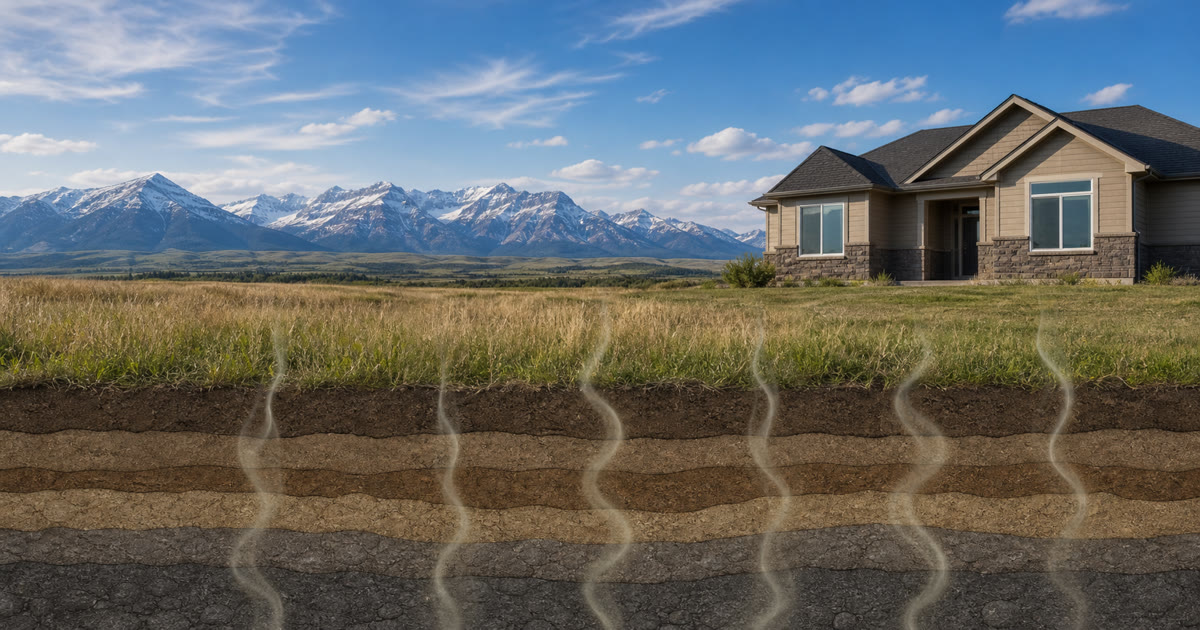
When Did Radon Become a Concern in Alberta? A Timeline of Awareness and Action
How radon went from an obscure geological curiosity to a public health priority in Alberta. The key events, studies, and policy shifts that shaped radon awareness in Calgary and across the province.